-
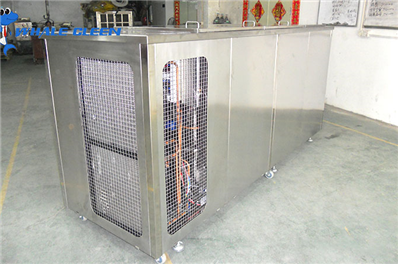 Enhancing Reactor Efficiency: Ultrasonic Cleaning for Metal Chemical Reactors
Chemical reactors play a critical role in various industrial processes, enabling the transformation of raw materials into valuable products. Over time, these reactors may accumulate chemical residues and deposits on their inner walls, potentially compromi
-
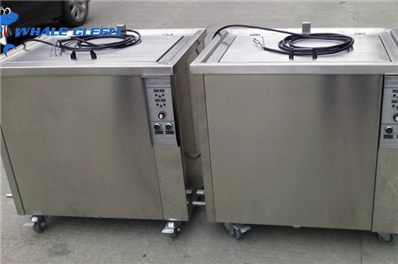 Ultrasonic Cleaning Technology Ensures Quality and Safety of Metal Graphite Chemical Equipment
Cleaning metal graphite chemical equipment plays a critical role in ensuring production quality and safety. Over time, such equipment tends to accumulate chemical residue and deposits on its surfaces, which not only impairs its performance but also poses
-
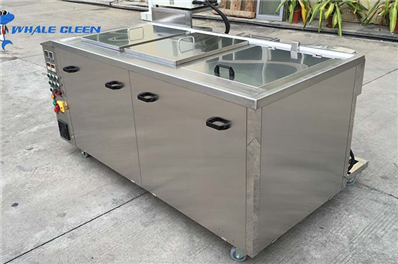 Why Did It Rust After Ultrasonic Cleaning? The Causes and Prevention Guide
You carefully place your metal items into the ultrasonic cleaner, expecting them to come out sparkling clean. Instead, you find unsightly orange or brown spots—rust. It's a frustrating and confusing experience.Why did it rust after ultrasonic cleaning
-
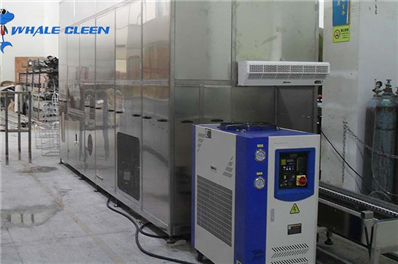 Why Ultrasonic Cleaners Remove Paint? The Science Behind Paint Stripping & Prevention Tips
When using an ultrasonic cleaner for the first time, many users are shocked to find that painted surfaces emerge stripped or damaged. This raises an important question: why do ultrasonic cleaners remove paint, and how can you prevent it? Understanding the
-
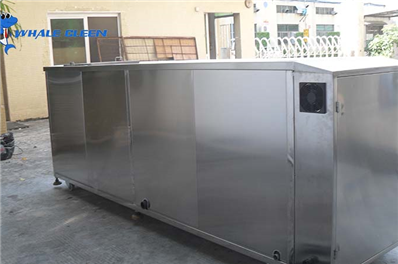 Why Do Ultrasonic Cleaners Have Temperature Control? The Science Behind the Heat
If you've shopped for or used an ultrasonic cleaner, you've likely noticed that many models come with a built-in heating function and a temperature control setting. This might lead you to wonder: if the cleaning power comes from ultrasonic waves,
-
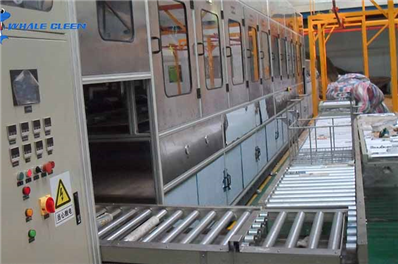 Why Do Ultrasonic Cleaners Heat Up? The Science Behind Temperature Rise and Practical Solutions
Ultrasonic cleaners have become essential tools in various industries, from jewelry cleaning to industrial parts maintenance. Many users notice that during operation, the cleaning solution and the device itself gradually heat up. This phenomenon often rai
-
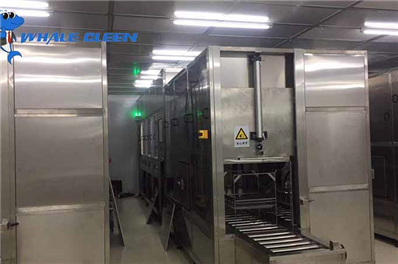 How to Remove Rust with an Ultrasonic Cleaner: The Ultimate Guide
Rust removal is one of the most challenging cleaning tasks, butultrasonic cleanerscan make it surprisingly efficient and thorough. This guide will walk you through the science behind ultrasonic rust removal, step-by-step instructions, and expert tips to r
-
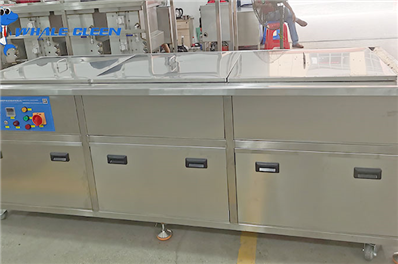 How to Adjust Temperature on Ultrasonic Cleaners: A Complete Guide
Studies show that proper temperature control can improve cleaning efficiency by up to 40% and extend equipment life by 2-3 years. This guide will walk you through the steps to master temperature adjustment on your ultrasonic cleaner. 1. Understanding T
-
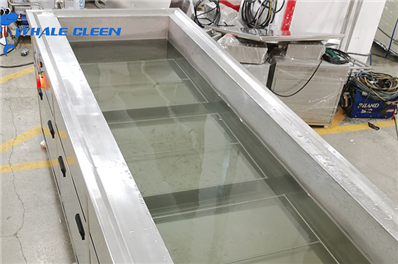 How to Disable Heating in Ultrasonic Cleaners: A Comprehensive Guide
I. Reasons to Disable Heating 1. Application Scenarios Temperature-sensitive materials: Plastics (deformation risk above 50°C) Biological samples (prot
-
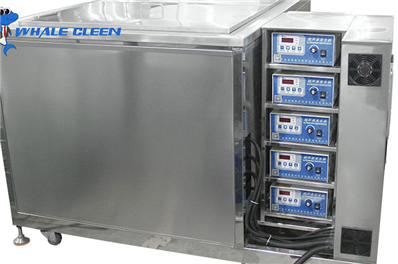 Why Don't Ultrasonic Cleaners Use Aluminum? Scientific Analysis and Practical Insights
Ultrasonic cleaners are widely used in industries, laboratories, and households for their ability to remove contaminants from intricate surfaces. However, one notable observation is that these devices rarely use aluminum in their critical components, such
-
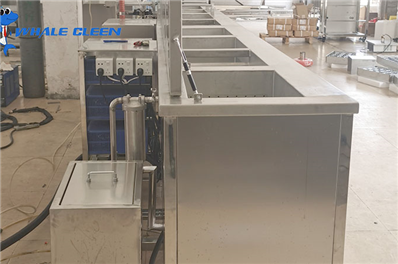 What Determines the Effectiveness of an Ultrasonic Cleaning Machine?
The effectiveness of an ultrasonic cleaning machine is determined by a combination of factors that work together to ensure thorough and efficient cleaning. These factors include the frequency and power of the ultrasonic waves, the choice of cleaning solut
-
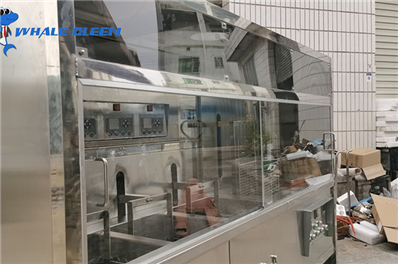 Ultrasonic Cleaners: A New Era for Metal Cleaning
Introduction The cleaning of metal components has always been a crucial process across various industries, from automotive and aerospace to medical and electronics. Traditional cleaning methods, such as solvent cleaning or manual scrubbing, often fall